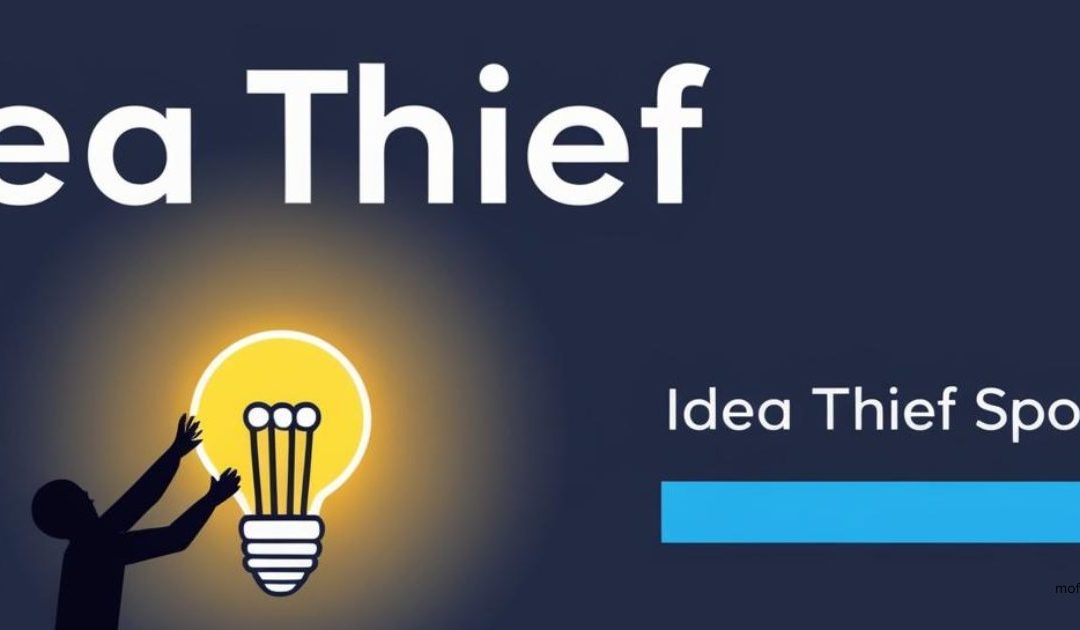
We’ve all been there. You’re catching up with a friend casually, excitedly sharing your new business idea. You see their eyes light up as you explain your concept. Fast forward three months, and suddenly they’ve launched something remarkably similar to what you described.
That first moment of realization hurts. You might feel angry, disappointed, or just plain confused. When someone you trust takes your idea and runs with it, the personal betrayal cuts deeper than any professional competition. “Wait, wasn’t that my idea?” you think to yourself, scrolling through their announcement post.
It’s especially tough when it’s someone close to you. A friend who nodded enthusiastically as you shared your dreams. A family member who asked detailed questions about your business plan. A former colleague who seemed genuinely interested in your creative process.
Why Friends Borrow Ideas Without Permission
People rarely steal ideas out of pure malice. More often:
- They genuinely forgot where they heard it
- They added their own twist and convinced themselves it’s original
- They saw potential you weren’t acting on quickly enough
- They didn’t realize how much the idea meant to you
Understanding this doesn’t make it hurt less, but it helps frame how to respond.
Protecting Your Ideas Without Becoming Paranoid
You don’t need to stop sharing ideas completely. Instead, try these simple approaches:
Keep a record of your thinking Write down your ideas with dates. A simple note on your phone works fine. This isn’t about legal protection—it’s about having clarity for yourself.
Be selective about details Share the general concept but keep specific execution plans private until you’re ready to launch.
Test the waters Before sharing your best ideas, try discussing smaller concepts to see how that person respects your thinking.
If someone has already used your idea, you have choices. Sometimes it’s best to let it go. But if it’s important to address it:
Start with a genuine question: “I noticed your new project looks similar to what we discussed. I’m curious about how that developed?”
Listen before reacting. Their answer might surprise you.
If appropriate, express your feelings plainly: “I felt hurt when I saw that, because I had been planning to develop that idea myself.”
Moving Forward Faster
The best response to copied ideas is simple: keep creating better ones.
Speed up your timeline If you were planning to launch in six months, see if you can do it in three.
Add unique elements What special twist can you add that reflects your specific skills or perspective?
Focus on execution, not just ideas Ideas are common. Great execution is rare. Pour your energy into doing it better, not just thinking it first.
Becoming an Idea Machine
The more ideas you generate, the less each one matters:
Make idea creation a habit Spend ten minutes each morning writing down new possibilities.
Look for connections Some of the best ideas come from combining two unrelated concepts.
Keep an idea journal Capture random thoughts throughout your day—they might connect later.
Learning to Trust Again
One bad experience shouldn’t make you stop sharing completely. Instead:
Find trustworthy sounding boards Look for people with track records of discretion and respect.
Consider formal agreements For serious business discussions, a simple confidentiality agreement adds clarity.
Trust your instincts Some people give off warning signs. Listen to your gut about who feels safe.
There’s actually good news when someone copies your idea: it means you’re onto something valuable. Many great concepts are dismissed or ignored. If someone’s willing to take yours, you’ve proven there’s interest.
Remember too—they may have your idea, but they don’t have your unique perspective, experience, or passion. Those elements often matter more than the initial concept.
What Really Matters
Ideas come and go, but your creative capacity is permanent. The person who can consistently generate new ideas will always outpace the one who can only copy.
Keep thinking, keep creating, and keep moving forward. Your best ideas are still ahead of you.
Stay creative.